With Nex
3.5% Nex pricing, disclosed upfront
The $5,250 Nex pricing is added upfront and disclosed before you sign — your APR is the rate your lender approved.
Monthly payment
$3,185.19
−$200.04/mo in this scenario
Product 02 / Equipment
Equipment financing is a loan or lease secured by the commercial asset. Nex handles new, used, dealer, auction, private-sale, refinance, repair, and sale-leaseback files.
Illustrative sequence. Structure and timing vary by lender and file.
Equipment savings check
Set the cost, the term and your lender rate. The rest is arithmetic.
No deposit — the full cost is financed.
Principal financed
$150,000.00
Preset from a seller finance fee assumption — enter the payment you were quoted to compare. Clearing the field returns to the preset.
Nex customers pay
$3,185.19
per month
Total savings
$12,002.17
over 60 months
Estimated total payments $191,111.49 over 60 months.
The Nex payment includes 3.5% Nex pricing, capitalised into the amount financed. The seller finance fee is an assumption — preset, or solved from the payment you enter — not a market figure Nex publishes. Fees on seller-arranged financing vary by seller, lender, credit profile and asset. Illustrative — not an offer of credit.
Lender documentation or administration fees, where they apply, are disclosed with any offer and are not included in this illustration.
Returning clients may become eligible for reduced Nex pricing—as low as 2.5% over time. Eligibility and lender terms vary.
Both payments run the standard amortization formula on the same lender rate, the same term and the same deposit. The Nex payment finances the principal plus 3.5% Nex pricing. The comparison finances the same principal plus a seller finance fee — preset, or solved from the monthly payment you enter.
A capitalised fee is repaid with interest across the whole term, so it moves the monthly payment and lifts the effective APR measured against the equipment cost alone. Both figures are illustrative and are not an offer of credit.
Worked example
Nex prices its 3.5% upfront, in the open. Seller financing capitalises the fee into the payment — on paper nothing was charged, but the APR you actually pay is higher than the rate your lender approved.
Tracks the calculator above.
With Nex
The $5,250 Nex pricing is added upfront and disclosed before you sign — your APR is the rate your lender approved.
Monthly payment
$3,185.19
−$200.04/mo in this scenario
Seller financing
On paper, nothing was charged. The $15,000 fee inflates the APR from 8.50% to 12.64%.
Monthly payment
$3,385.23
+$200.04/mo in this scenario
Total difference over the term
$12,002.17
over 60 months
The Nex schedule costs less over 60 months at these inputs.
Loyalty
Loyalty earns a lower rate — returning Nex clients can qualify for reduced 2.5% Nex pricing. Eligibility and lender terms vary.
Takes about five minutes. Illustrative figures are not an offer of credit.
Illustrative only, not an offer of credit. Payments and effective APR are derived from the standard amortization formula on the inputs shown. The seller finance fee is the calculator's assumption — preset, or solved from the payment you entered; fees on seller-arranged financing vary by seller, lender, credit profile and asset.
The basics
Equipment financing spreads the cost of a business asset through a secured loan, lease, or refinance structure.
Equipment financing is credit secured by the equipment itself: a lender pays the seller, your business uses the asset from day one, and payments spread the cost over the working life of the machine. Because the asset is the collateral, approval leans on the equipment's value and your cash flow — not just your credit file.
An equipment loan means you own the asset immediately and pay it down over a fixed term. An equipment lease means the lender owns it while you pay to use it, with an end-of-term option defined in the contract. Payment and tax treatment depend on the complete structure.
A lease is rarely just a lease, and a loan is rarely just a loan. We map your tax position, the asset's lifespan, and your cash-flow profile against the structures below and compare the scheduled payment, total cost, end-of-term option, and flexibility over the time you expect to hold the equipment.
Compare structures
A loan supports ownership, a lease defines use and an end-of-term option, and refinancing restructures debt on equipment the business already owns.
| Equipment loan | Equipment lease | Refinance | |
|---|---|---|---|
| What it is | Borrow to buy — the equipment secures the loan and you own it from day one. | The lender owns it; you pay to use it, with a buyout option at term end. | Restructure the financing on equipment you already own or are paying off. |
| Ownership | Yours from day one | At term end — purchase option, stated residual, upgrade, or return depending on contract | Stays yours throughout |
| Term | Aligned with asset life and underwriting | Aligned with asset life, residual, and end option | Replacement schedule based on payout and asset value |
| Monthly payment | Fixed under the proposed loan schedule | Affected by term, residual, and end option | Compared against the current payment and total cost |
| Tax treatment* | Confirm CCA and interest treatment with your accountant | Treatment depends on the lease and applicable tax rules | Confirm treatment of the replacement facility with your accountant |
| Best for | Assets you'll keep well past the term | Planned equipment turnover and a defined end-of-term option | Cash-flow squeeze, consolidation, equity cash-out |
*Tax treatment varies by structure and jurisdiction. Confirm with your accountant.
Lease structures
Payments should follow how your business actually earns. Five structures to compare with the full cost and end option visible.
01
A fixed payment schedule with a contractual purchase option at the end of term. Built for long-life equipment the business expects to keep.
02
A stated residual remains at the end of term. The business can compare return, upgrade, or purchase options and the total cost of each.
03
Run a seasonal operation? Structure the lease to skip or reduce payments in your slow months — harvest season carries the winter.
04
Some proposals may begin with an interest-only period while the equipment ramps up, then move into the regular payment schedule.
05
Larger payments early instead of a big down payment — or payments that step up as a new contract ramps. The schedule follows your cash flow, not the other way around.
Four more programs
Already own the equipment? Bought used? Broke down on a Tuesday? Each program has its own page — and its own lenders.
Sale-leaseback
Sell eligible owned assets to a financing provider, lease them back, and deploy the net proceeds in the business.
Refinance
Lower the rate, extend the term, consolidate multiple equipment payments into one, or cash out trapped equity.
Used & private sale
Dealer, private-party, and auction purchases — including older and high-kilometre units banks decline.
Repair loans
Engine seized? Reefer down? Route a repair invoice for specialist review so the equipment can get back to work.
Credit-challenged?
Approval doesn't hinge on a perfect score. Independent providers weigh the whole file, and Nex leads with the strongest available context.
Your credit is only checked when you send your application to the lender you choose. Nex first maps the business, asset, and transaction so the review starts with the strongest available context.
01
Consistent business deposits and cash flow can add context to the asset, contribution, and overall request.
02
A meaningful contribution or well-supported asset value can affect the available structure and pricing.
03
A partner or family member with stronger credit co-signs while the history you build stays under your own name.
The process
Start with the brief or start with the listing — the underwriting, and the outcome, are the same either way.
Pre-approval path
Start before you shop. The structure is settled while you are still browsing listings.
Standard path
Already have the unit picked out? Send it over and the file starts there instead.
Both paths run the same underwriting. Structure, contribution and timing vary by lender and file, and any pre-approval remains subject to the actual asset, seller and documentation.
Industries
 Trucking & transportTractors · Trailers · ReefersTractors, trailers, reefers, lift gates, and fleet additions for owner-operators and carriers.
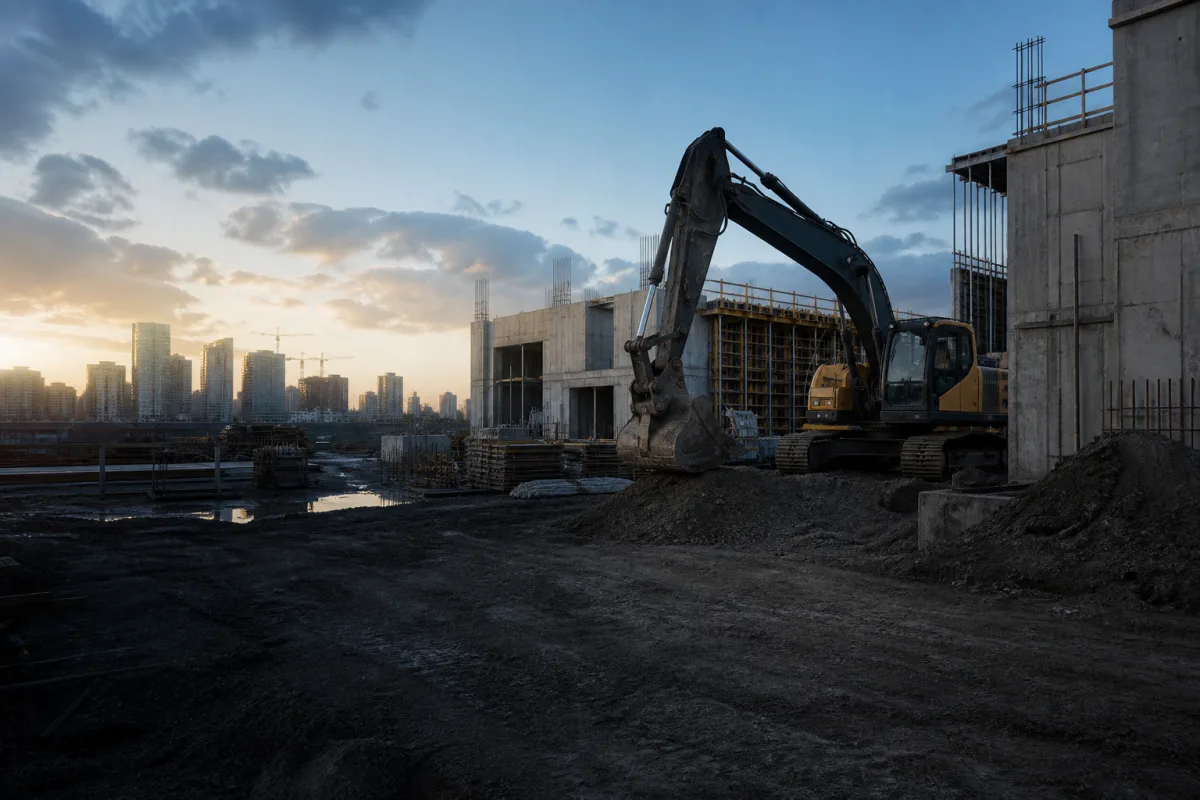 ConstructionExcavators · Loaders · CranesExcavators, loaders, dump trucks, cranes, attachments, and site equipment — new or used.
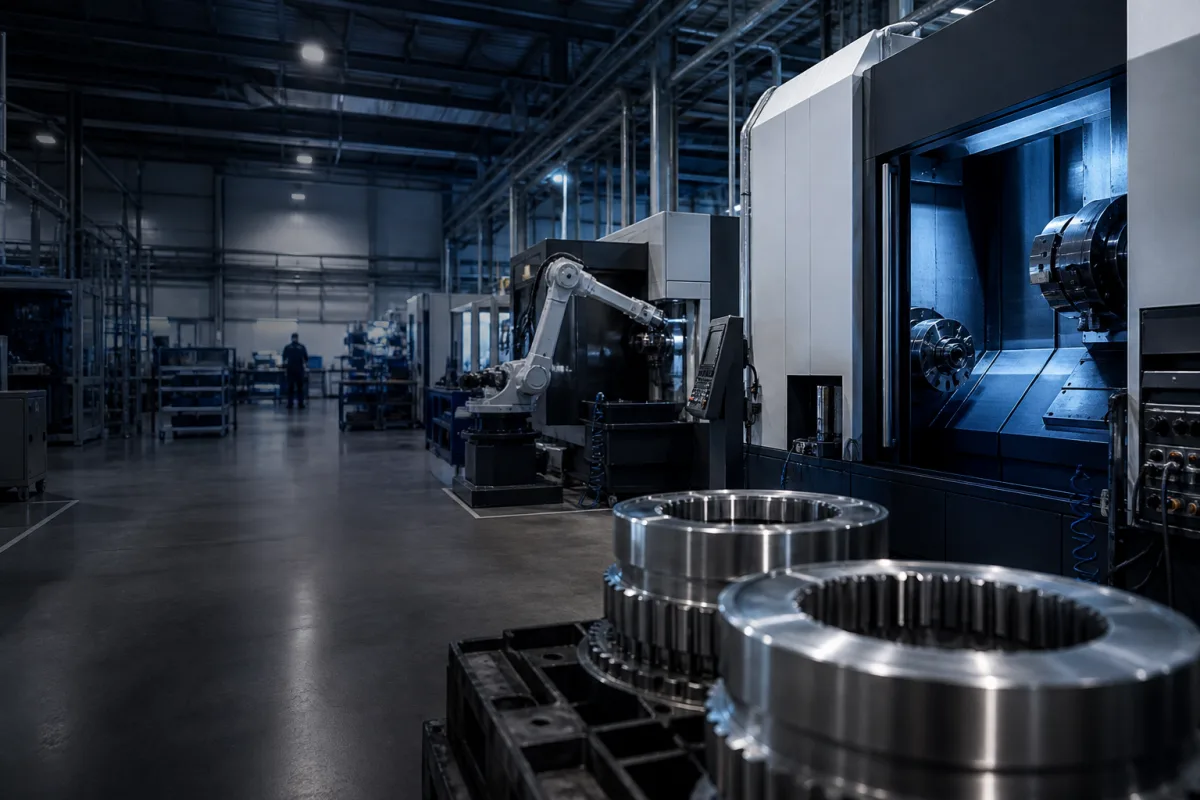 ManufacturingCNC · Packaging lines · RoboticsCNC machines, presses, packaging lines, robotics, and plant-retooling equipment.
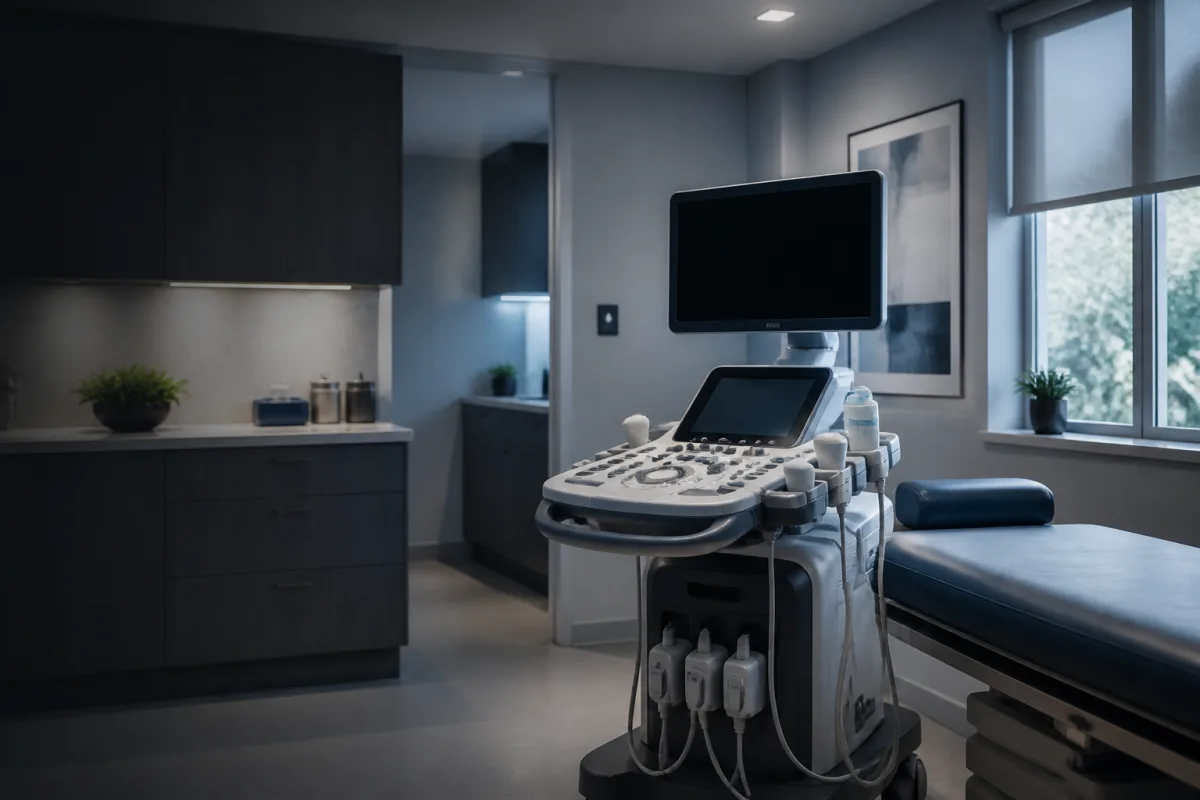 HealthcareImaging · Dental · Clinic build-outsDiagnostic imaging, dental chairs, sterilization systems, and clinic equipment.
 Tech & SaaSServers · Network · AV systemsServers, network infrastructure, AV systems, and hardware refreshes that support recurring revenue.
 Retail & eCommercePOS · Refrigeration · Fit-outsPOS systems, warehouse equipment, refrigeration, fit-outs, and order-fulfilment infrastructure.
FAQ
The seven questions every operator asks — with real numbers, not brochure copy.
A perfect score is not the only part of an equipment file. Cash flow, time in business, down payment, asset value, and any co-signer can affect the available structure. Your credit is only checked when you send your application to the lender you choose.
Nex can review dealer, private-sale, auction, and classified transactions. The seller, bill of sale, title or serial number, condition, and any required inspection or appraisal become part of the file.
Timing depends on the business, asset, seller, documentation, and whether an inspection or appraisal is required. Nex confirms the expected sequence after reviewing the initial application; used and private-sale units can require an additional verification step.
A no-down-payment structure may be available on an eligible proposal but is not guaranteed. The required contribution depends on the business, asset, seller, time in business, and underwriting.
Older or high-use assets can be reviewed when condition, service history, valuation, and remaining useful life support the request. Available term and contribution depend on the specific unit and business.
You can submit a target budget before choosing a unit. Nex may outline a preliminary structure, but final terms remain subject to the actual asset, seller, documentation, and underwriting.
An equipment refinance or sale-leaseback may release eligible equity while the asset remains in use. Available proceeds depend on appraisal, title, existing liens, the business profile, and the proposed structure.
Start with the asset, amount, and the core documents — articles, ID, bank statements, and a bill of sale or equipment quote. Additional records can follow once your file is open. Your credit is only checked when you send your application to the lender you choose.
Get your rate locked